
LLM Integration
LLM Integration refers to embedding large language models into products, workflows, and systems to enable advanced natural language understanding, reasoning, and automation. By integrating LLMs, organizations can power intelligent chatbots, automate content generation, enhance customer support, and unlock deep insights from unstructured data.
Enterprise Adoption Trends
71%
of organizations believe integrating LLMs has accelerated decision-making and improved operational efficiency.
58%
of enterprises face challenges due to a lack of skilled resources in deploying and managing LLM-driven solutions.
4-6X
increase in productivity for teams that leverage LLMs for content generation, code assistance, and knowledge retrieval.
$14B
is the estimated collective monthly investment by enterprises in LLM infrastructure, APIs, and AI-powered solutions globally.
Why LLM Integration Matters
LLM Integration is transforming the way businesses leverage information, automate tasks, and interact with users. By embedding Large Language Models into systems, organizations can enable smarter conversations, automate knowledge retrieval, generate high-quality content, and streamline decision-making. LLMs enhance productivity by understanding natural language at scale, reducing manual effort, and driving intelligent automation across workflows. In an era where speed, accuracy, and contextual understanding are critical, LLM integration empowers businesses to stay competitive, innovate faster, and unlock new levels of efficiency.

Barriers to LLM Adoption
46%
of organizations cite a lack of LLM expertise and training as a top barrier to successfully deploying and scaling LLM-powered solutions.
Case studies and proof —
LLM Integration
LLM Integration focuses on embedding large language models into products, workflows, and systems to enhance natural language understanding, automation, and reasoning. Below are curated case studies that demonstrate how LLMs have added intelligence, streamlined operations, and empowered real-time decision-making.
_2560x1600.png)
1000X
Campaign copy generation and template content automation using LLMs to scale marketing content creation.
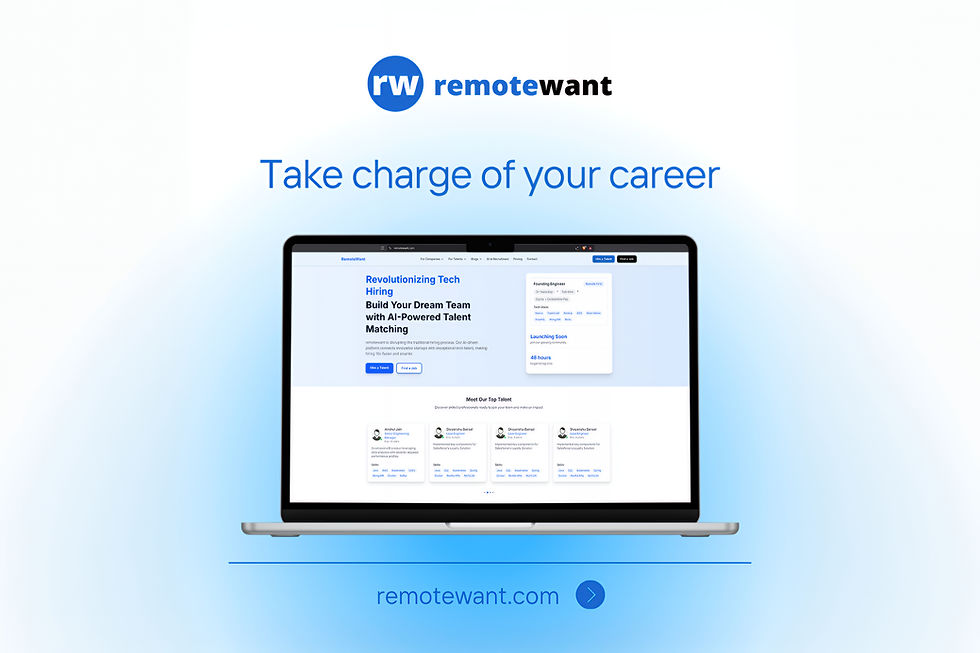
Remotewant
A real-time platform for remote jobs, connecting seekers and employers with organized updates and autonomous matching mechanisms.
_1710x1230.png)
Bubblegum
Public job portal with 100K+ users, integrating automation for recruiter–candidate interactions and smart resume handling.
_2688x1536.png)
Arttora
Artist community platform fostering interaction, networking, and collaboration — enabled by intelligent recommendation and community-driven discovery.

Thought leadership
Large language models are not just experimental tools; they are strategic enablers for intelligent, automated workflows. LLMs transform unstructured text data into actionable insights, automate repetitive tasks, and enhance decision-making across domains such as HR, finance, marketing, and creative communities.
The key to effective LLM integration is contextual alignment. Models must generate outputs that are accurate, interpretable, and aligned with business objectives. When embedded as operational components, LLMs provide continuous learning, semantic reasoning, and context-aware recommendations, enabling organizations to scale intelligence while maintaining oversight and reliability.
Product ideas
Explore transformative concepts for embedding LLMs across workflows and products. These ideas show how language models can analyze, interpret, and act on unstructured data to automate complex tasks, enhance decision-making, and deliver contextually personalized experiences at scale.
The Conversational HR Assistant leverages large language models to streamline the hiring process by automating resume interpretation, candidate Q&A, and recruiter summaries. For platforms like Remotewant and Bubblegum, it can parse resumes into structured data, identify relevant skills, and provide recruiters with concise candidate overviews. Job seekers benefit from an always-available conversational agent that clarifies role requirements, application status, and even offers tailored advice on how to improve their profiles for better chances of selection.
Over time, this assistant refines its performance by incorporating recruiter and candidate feedback. It learns hiring managers’ preferences, adjusts match heuristics, and improves the accuracy of its Q&A responses. The result is a system that not only saves recruiters hours of manual screening but also raises the quality-of-hire by ensuring the right candidates surface faster. By integrating with applicant tracking systems (ATS), the assistant becomes an essential, scalable talent acquisition partner.
For financial services platforms such as Paisa on Click, the Loan Advisory Chatbot acts as a trusted virtual advisor. It understands natural-language questions about loan products, eligibility, and repayment structures while generating clear, personalized explanations. Instead of browsing complex loan tables, users can directly ask, “What’s the best loan option for me with a ₹10 lakh requirement and 5-year repayment?” and receive context-aware recommendations that balance interest rates, eligibility, and approval speed.
The chatbot doesn’t stop at surface-level guidance — it provides step-by-step breakdowns of how recommendations were made, including comparisons across banking products. Its adaptive reasoning capabilities allow it to explain trade-offs (e.g., lower EMI vs. longer repayment period) and provide actionable next steps such as document checklists. By integrating LLM reasoning with banking APIs, the chatbot enhances customer trust, reduces support costs, and boosts loan conversions through transparency and personalization.
On creative collaboration platforms like Arttora, the Community Content Generator uses LLMs to keep communities vibrant and engaged. It automatically generates artist bios, contextual recommendations for collaborations, and personalized content feeds based on activity patterns and content themes. New members get tailored introductions and suggested collaborations, while existing members receive nudges to engage with peers, fostering organic growth and stronger community bonds.
What sets this agent apart is its ability to balance personalization with collective community health. Instead of over-optimizing for individuals, it strategically promotes collaborations and content that align with platform-wide engagement goals. By analyzing interaction data, trending topics, and shared interests, the generator ensures that each recommendation is both contextually relevant and socially beneficial. The result is a feedback-driven system that sustains long-term growth, member satisfaction, and content diversity.
On creative collaboration platforms like Arttora, the Community Content Generator uses LLMs to keep communities vibrant and engaged. It automatically generates artist bios, contextual recommendations for collaborations, and personalized content feeds based on activity patterns and content themes. New members get tailored introductions and suggested collaborations, while existing members receive nudges to engage with peers, fostering organic growth and stronger community bonds.
What sets this agent apart is its ability to balance personalization with collective community health. Instead of over-optimizing for individuals, it strategically promotes collaborations and content that align with platform-wide engagement goals. By analyzing interaction data, trending topics, and shared interests, the generator ensures that each recommendation is both contextually relevant and socially beneficial. The result is a feedback-driven system that sustains long-term growth, member satisfaction, and content diversity.
Solution ideas
Explore proven implementation patterns that translate vision into execution. These solution frameworks outline the technology stack, operational approach, and key performance outcomes needed to deliver measurable business impact. They serve as practical blueprints for teams to reduce risk, accelerate delivery, and scale AI responsibly.
Solution Idea | Detailed Description |
|---|---|
Governance & Monitoring Framework | Stack: Decision logs + confidence scoring → human review queue → retraining triggers → compliance checks.
KPI Targets: Override/escalation rate <5%; compliance incidents = 0.
Why it Wins: Ensures safe, auditable LLM deployment across enterprise workflows. |
Marketing Copy Automator | Stack: Campaign templates + LLM text generation → performance feedback loop → automated content scheduling.
KPI Targets: Time saved −50%; conversion rate +15%.
Why it Wins: Reduces manual content creation while optimizing for audience engagement. |
Community Content Generator | Stack: User activity + content embeddings + LLM recommendation → API layer → explainability dashboard.
KPI Targets: Engagement +20%; repeat interactions +30%.
Why it Wins: Drives meaningful connections and content engagement in creative communities. |
Loan Advisory Chatbot | Stack: LLM inference + user query understanding + banking API integration → response generation → monitoring & retraining.
KPI Targets: Query resolution <2 mins; user satisfaction >90%.
Why it Wins: Delivers context-aware, personalized financial guidance at scale. |
Conversational HR Engine | Stack: Resume parser + LLM inference + candidate scoring + feedback loop → recruiter dashboard.
KPI Targets: Candidate match accuracy +25%; recruiter hours saved 40%.
Why it Wins: Automates screening and Q&A while improving quality-of-hire over time. |